
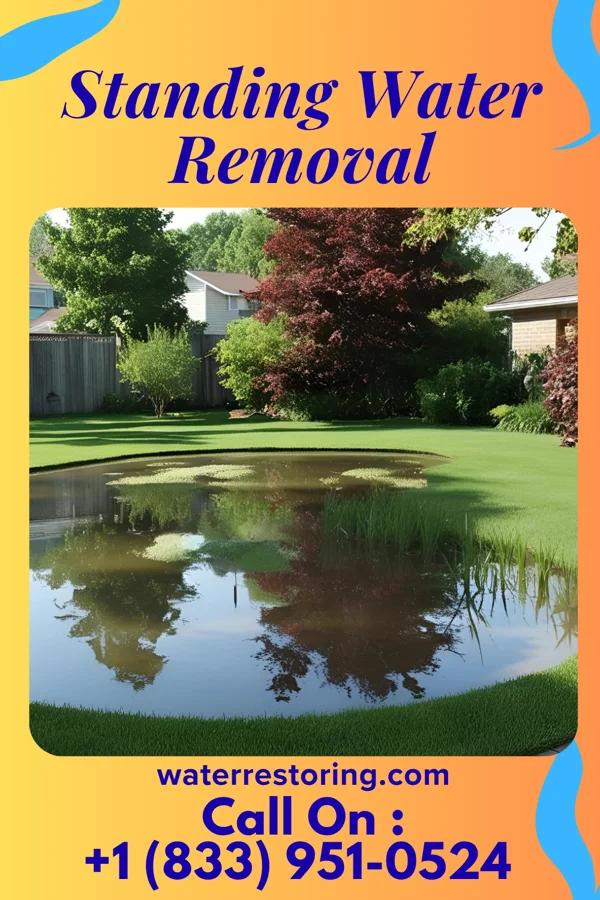
Standing Water Across Jamestown West Neighborhoods
Every neighborhood in Jamestown West has a different water damage risk profile. The one that shows up on most restoration calls is In Jamestown West, New York, water damage is most commonly caused by sewer line backups and basement flooding due to the area's proximity to the Cattaraugus Creek and the potential for heavy rainfall in the region. These issues are exacerbated by aging infrastructure and the rural nature of the community, where drainage systems may not be as robust as in more developed areas.. A close second is Secondary causes include leaking plumbing in older homes, roof leaks during severe weather, and groundwater seepage through basements. Additionally, the area's location near Celoron and Lakewood increases the risk of water intrusion during regional storms or river overflows..
Jamestown West experiences a humid continental climate with significant precipitation, especially during the spring and fall. The region is also prone to flash flooding, particularly after heavy thunderstorms, which can lead to sudden and severe water damage in residential properties.
Water damage in Jamestown West follows a few local patterns. In Jamestown West, New York, water damage is most commonly caused by sewer line backups and basement flooding due to the area's proximity to the Cattaraugus Creek and the potential for heavy rainfall in the region. These issues are exacerbated by aging infrastructure and the rural nature of the community, where drainage systems may not be as robust as in more developed areas. accounts for the bulk of our calls. Jamestown West experiences a humid continental climate with significant precipitation, especially during the spring and fall. The region is also prone to flash flooding, particularly after heavy thunderstorms, which can lead to sudden and severe water damage in residential properties. Mold growth can occur within 48 hours of water exposure in Jamestown West due to the high humidity levels and the presence of older homes with less effective insulation. Prompt action is critical to prevent long-term health and structural issues.